 Todd Sumamno
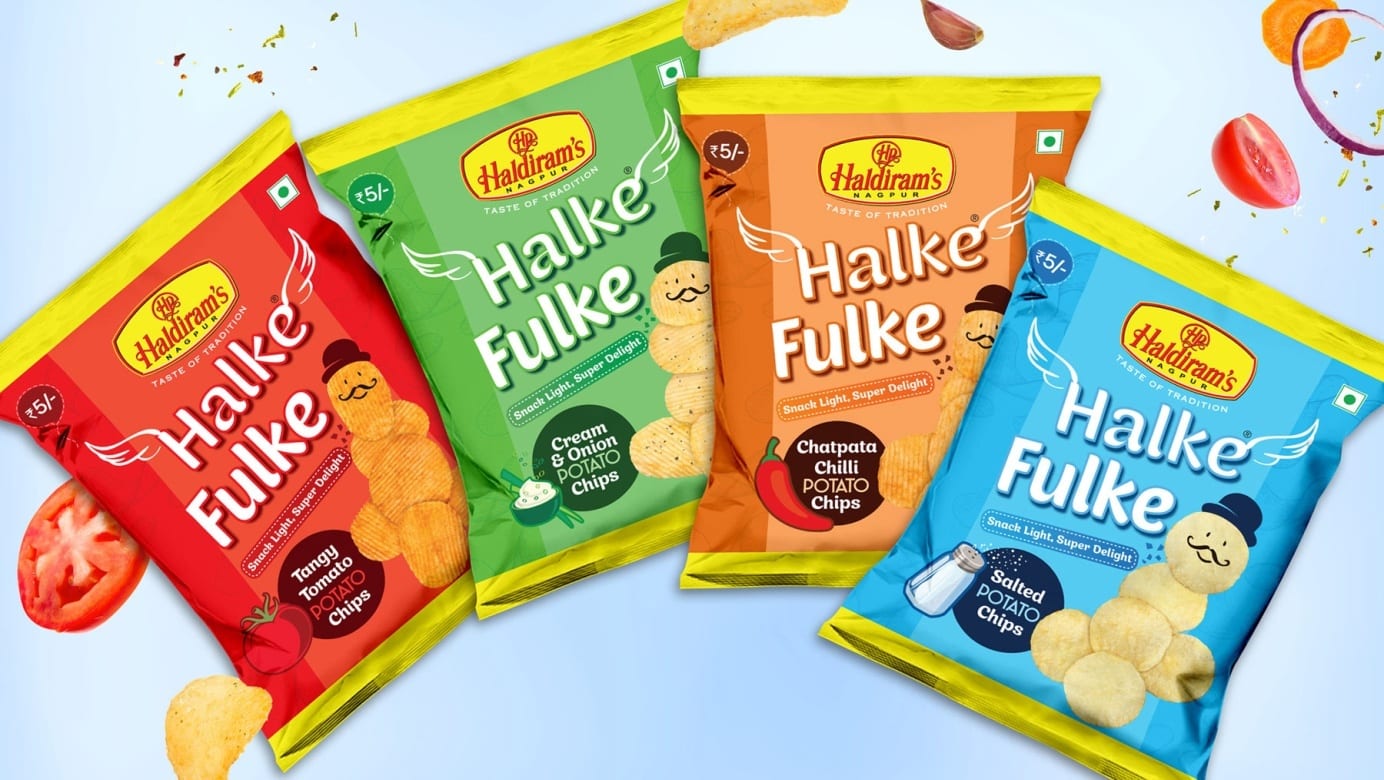
Packaging design is the most crucial element when the product is brought into such a competitive market. Once you are confident that your brand is fantastic next step would be to work towards its photography. The plan should be to create an immediate impact that gets consumers on board.
Photography is a very crucial step while branding and marketing activities. The honest question is if we need to use a photograph or illustration to communicate with customers. Photos play a vital role in creating the brand image, which will tell the story of your brand.
Photography for product packaging and retail packaging design are two different aspects and always ensure product fundamental values and differentiators are displayed compared to competitors.
By the end of this article, you would able to identify the elements required for Food photography. Brands will be able to analyze creative and professional Food photography agency before hiring; even a group of people planning for a DIY will become gain intelligent knowledge.
THE PLAN
Many people plan instantly to do product photography without any predetermined course of action. Sometimes by luck, it goes well, but many times it does not take the satisfactory face as expected. Organized shooting plan can take the photo to another productive level with effective outputs.
Determine the final usage; plan how the images will best benefit your layout, angles, ambiance and props should be decided prior.
DESIGNING PHOTOS
The designer should always design photos so that it fits the package and then provide that information to the photographer as reference, it can be for packaging or any website also.
Involve packaging design agency to design packaging which will benefit the final output as they are experts and will suggest effective photo direction that you may not have thought.
Portray image in photo such as way that is reflecting the lifestyle and brand story of their product. The lifestyle image will include a member of the target audience, enjoying the service or product. Then these photos are usually much more utilized than a simple outcome displayed on a white photograph.
ILLUSTRATION
The illustration portrays things with reduced visual complexity. Hence With a minimal number of colour, lines and shapes for the consumer eyes, it is easy to follow direction and grasps the attention of customers. It is a great way to reinforce branding and can simplify the depiction of a product at will; one can add logo, creative content, and correct elements in such a way that they are not creating any confusion.
HIGH-QUALITY PHOTOS
High-resolution photography captures massive benefits on the packages. When it is about retail food packaging, the competitive edge can be gained with the positioning statement, tempting and mouthwatering sample photo. Consumer packaged goods which show people enjoying using their product are more likely to sell. Some brand focuses majorly on displaying the features benefits instead of photo or images.
DETAILED IMAGES
What does the product do? What are its functions? Should these features be shown on the packaging doing that functions? Check out if the package has room to show off all the images. If the packaging design has one or two benefits which are unique and distinct compared to competitors, they prefer shooting the close-up details shots to show their best factors.
93% of people consider images essential in purchasing decisions. Photo represents the products perceived quality and value. They communicate directly with the target audience, making product page and content more relatable.
LENS
As per the sizes of product packaging, you photograph accordingly; right lens should be used to observe the difference. A focal length lens of less than 35mm is considered for wide-angle shots which are for large objects and environments.
A lens with a focal length between 50mm to 135mm is utilized for general purpose photography where the hero is the product on the packaging where there is no disturbance of wide-angle lens.
Macro lenses are used to capture the ultra-fine detail of microscopic objects on packaging designs such as jewelry or electronic components.
Manufacturers are spending roughly $150 billion annually on product packaging design and if not captured productively than your brand is losing out in proper brand communication. Photography of packaging design should be done in such a way that it should display a clear idea of what your product can do for the customer.
CHOOSE CORRECT BACKGROUND
A simple photography background change will make the packaging design look differently. Brand personality reflects through the background. If the product is position as elegant, luxurious, or affordable, that will help to decide between a very stark white background and natural texture.
Always conduct research sessions which will let you understand and then analyze what they are doing in your specific industry. Do you fit in the same scenario or your brand is standing out. Start saving such photographed packaging images so that they can act as a point of reference.
It is essential to consider two main categories, while photography lighting is strobe and continuous. Strobe is the intensity of flash and continuous is known as constant light.
CONCLUSION
As it is said, a picture is always worth of thousand words and this quote goes very well when it comes about packaging. The photo on the packaging is a crucial way to get clients on board by attracting their attention, display product and its value benefits promoting the brand.
Now that you have an idea about packaging photography, the audience who prefer DIY option can also understand the above factors which will help them to undergo photography of packaging. If you prefer a professional agency, make sure to check these elements while hiring them.

 Brittany Maslo