
 Todd Sumamno
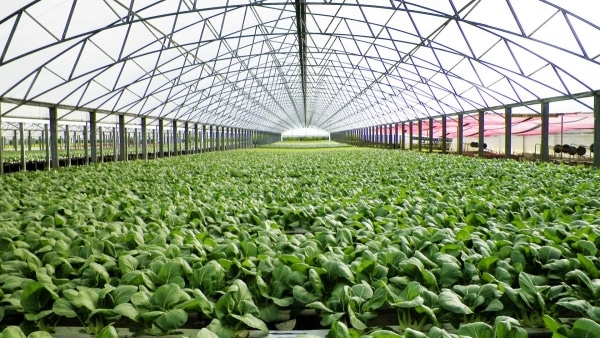
The greenhouse is a commonly discussed term these days, particularly amongst individuals that are interested in farming or gardening. It is well known that the crops grown in the controlled environment of a greenhouse provides better results. However, designing a greenhouse is a complex task that involves several technical considerations. Before discussing the concept of the greenhouse, it is important to gain a clear understanding of the greenhouse effect.
What is the Greenhouse Effect?
Before the origin of living organisms, the temperature of the earth’s surface was approximately -18°C because there was no atmosphere around it. The atmosphere was formed by the release of several gaseous elements from the interior of the earth’s crust, resulting in the formation of a porous layer. The atmosphere absorbs the sun’s far-infrared and ultraviolet radiations and allows only its shorter wavelength (0.3-3 μm) radiations to reach the surface of the earth. This causes the thermal energy to remain trapped between earth and atmosphere, raising the temperature of the earth’s surface. This increase in temperature of the earth’s surface and the surrounding air is commonly referred to as the greenhouse effect. The greenhouse effect makes our planet hospitable to life and without it, the earth would be nothing but a frozen planet.
What is the Greenhouse?
The concept of the greenhouse effect clearly indicates that the survival of life on earth requires a favorable environment controlled by short-wavelength radiation transferred through the atmosphere. The same concept has been utilized for ensuring the optimum growth of living plants in the form of greenhouses. In a controlled environment, greenhouses create a microclimate that is perfectly suited for maximum crop production. In terms of its structure, the greenhouse is an enclosure with transparent roofs and walls made of polyethylene film, FRP, or glass for maintaining an environment that is suitable for plant growth.
Importance of Greenhouse Technology:
In order to meet the ever-increasing food requirement of a rapidly rising global population, it is extremely important to increase agricultural production. In this scenario, greenhouse cultivation has emerged as a viable solution for achieving enhanced production by facilitating cultivation even during the off-season and protecting crops from all types of inhospitable outdoor conditions. In addition to this, greenhouses are also excellent options for the cultivation of rare plant species, cultivation in areas prone to extreme climates and soil problems, hardening of tissue culture plants, and raising nurseries.
The availability of land for cultivation has been decreasing all over the world because of indiscriminate industrialization and urbanization. This situation calls for increased productivity with the implementation of new alternative technologies to bridge the gap. However, adopting these new technologies, can require significant investment. Agricultural businesses looking to implement these technologies may consider seeking finance for agricultural businesses to help cover the costs of transitioning to more sustainable and productive farming methods.
Also, greenhouse technology has already made a tremendous positive impact on the field of horticulture, especially in terms of the production of high-value vegetables, cut flowers and fruits, ornamental plants, and medicinal plants that have high value in the international market.
Some other Advantages of Using Greenhouses:
- Ensures the proper light distribution and protects the plants from direct sun rays.
- Effective protection against pests, diseases, and other vermin.
- Optimum sealing against air and rain.
- More than one crop cycle every year as well as different plant species.
- Optimum use of climate management technologies such as humidification, shade screens, heating, etc.
The Way Ahead:
As technology continues to evolve, it is extremely likely that greenhouses will continually become more sophisticated in the days to come. This will definitely make our greenhouses more sophisticated as well as energy independent in the future, improving productivity. It is also likely that urban greenhouses will become more popular and form the backbone of our food supply infrastructure.

 Brittany Maslo